





$5 Flat rate Domestic 5-7 day Ground Shipping

Just what the doctor ordered.

We've partnered with Sony Pictures Classics for the release of HYSTERIA – a new film about a topic very dear to our hearts. Starring Maggie Gyllenhaal and Hugh Dancy, this romantic comedy is loosely based on the actual events that led to the invention of the vibrator.

A common medical diagnosis for female patients during the 1800's, hysteria's innumerable symptoms included nervousness (or boldness), loss of appetite (or overeating) and a general "tendency to cause trouble." The cure? Nothing short of a good, old-fashioned orga – er – "paroxysm".

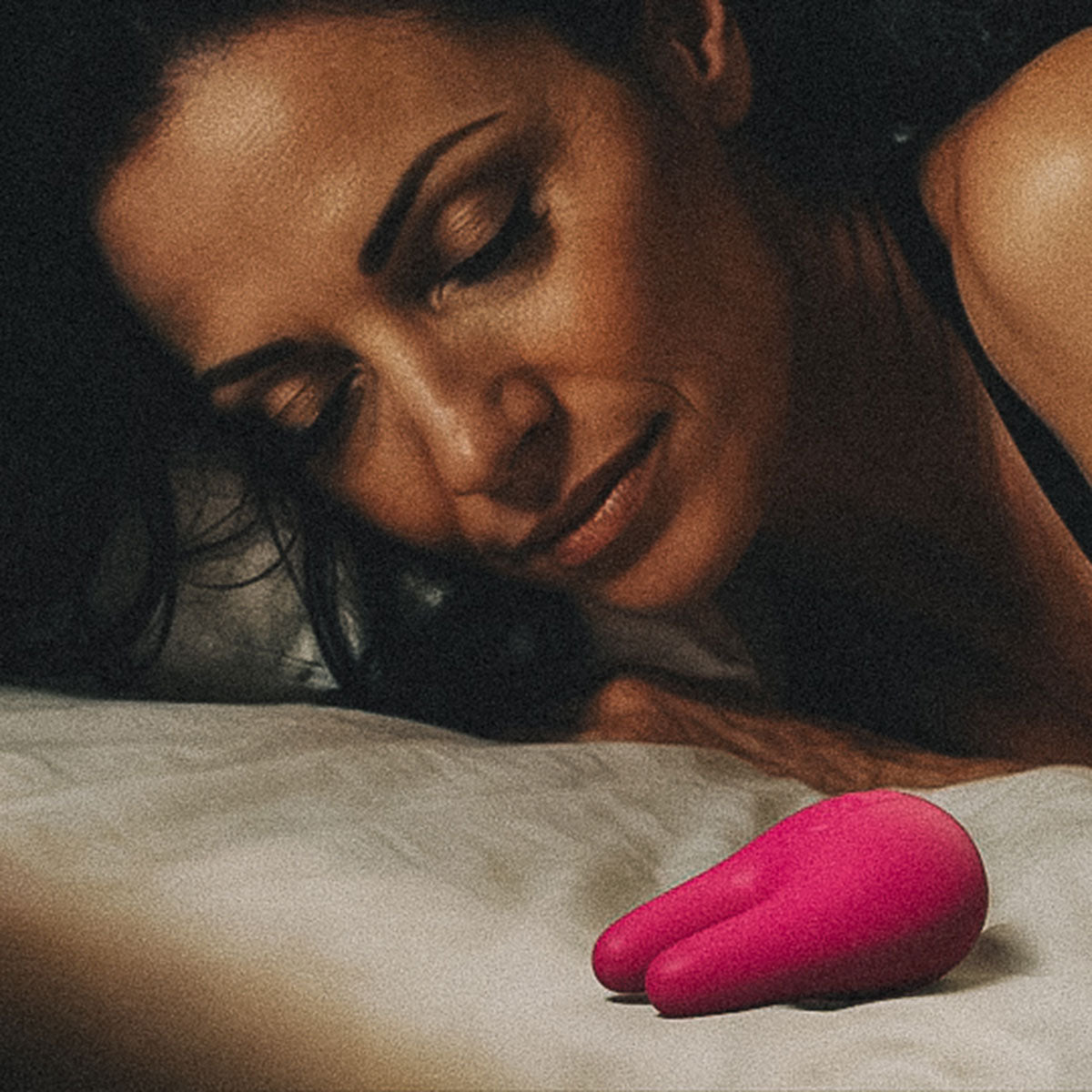
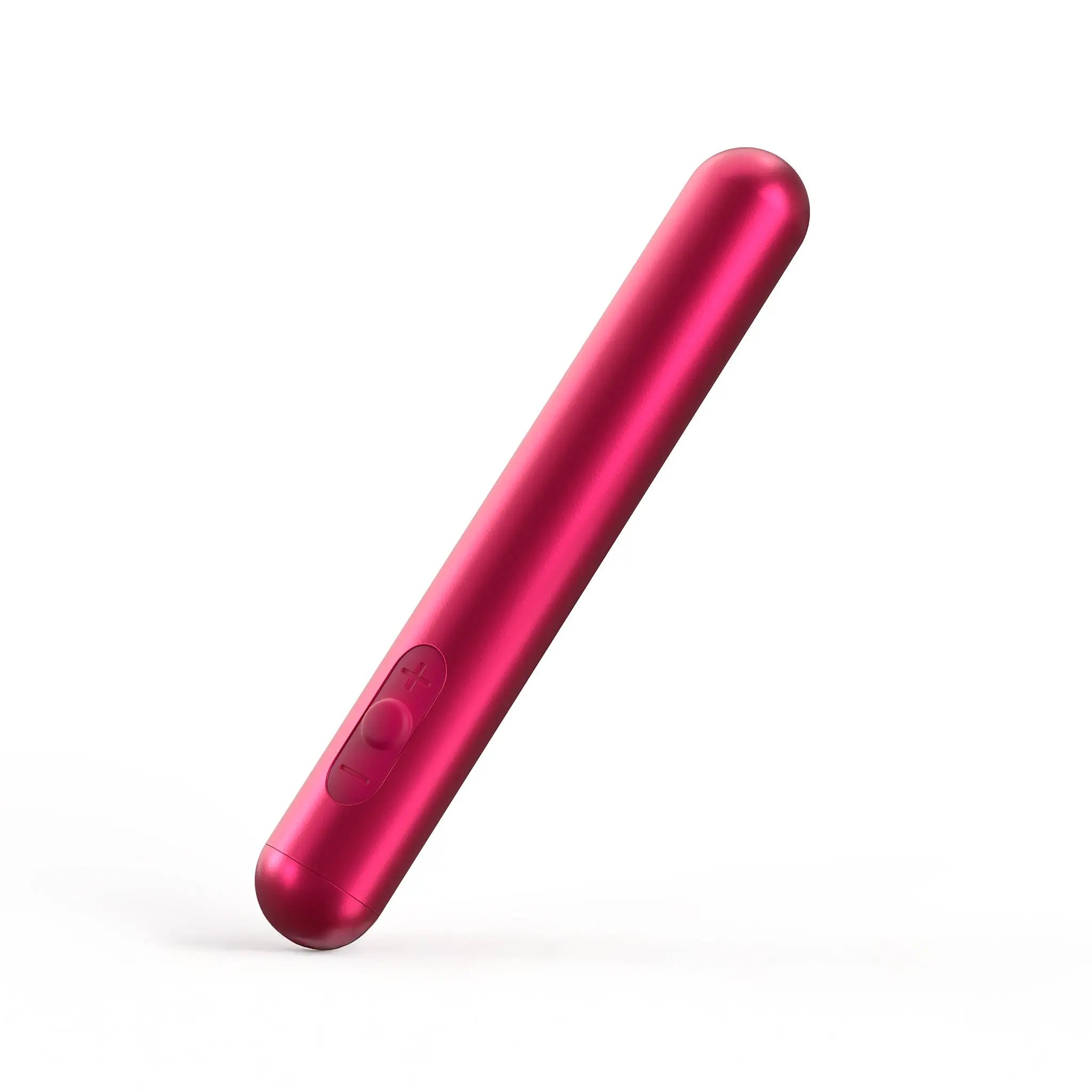
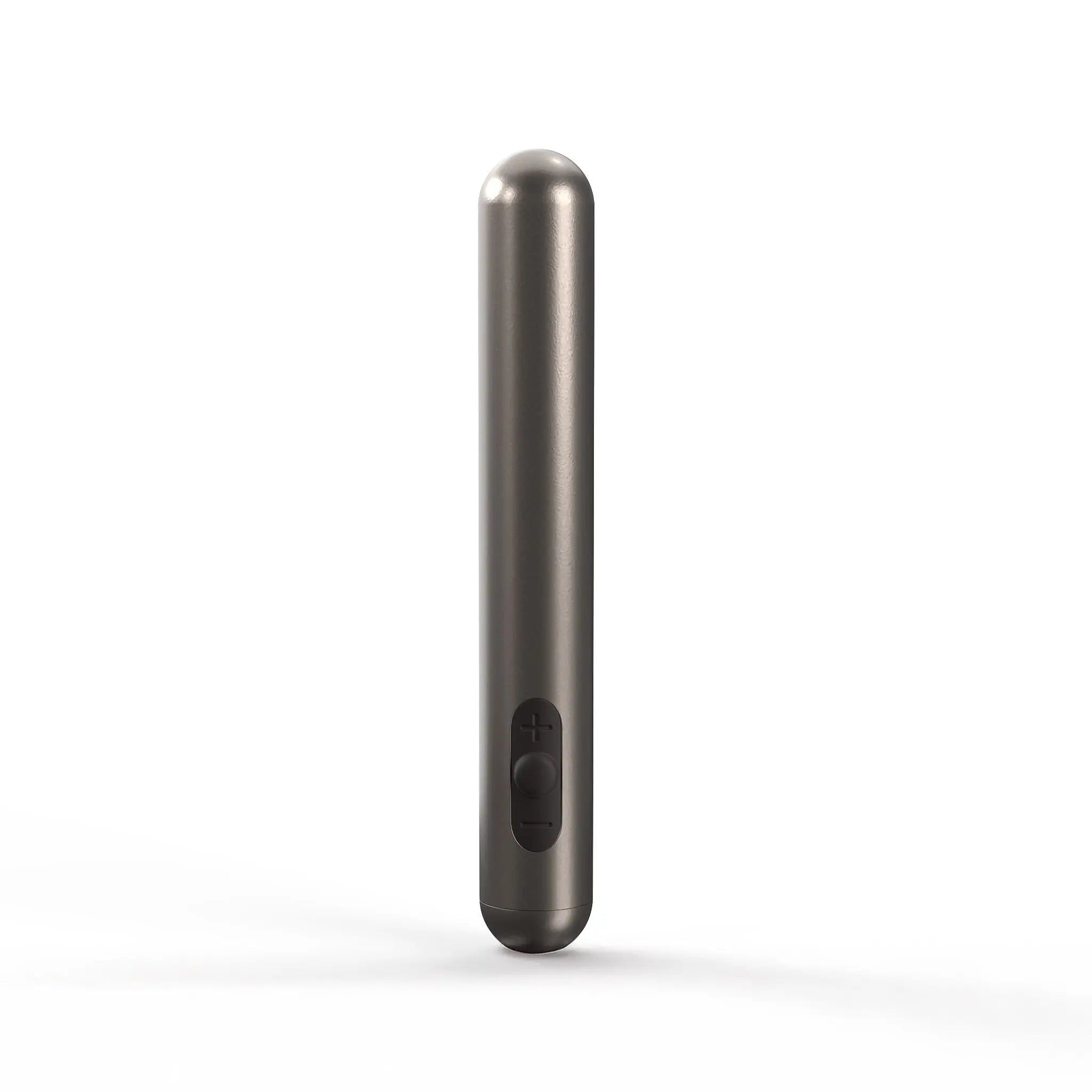
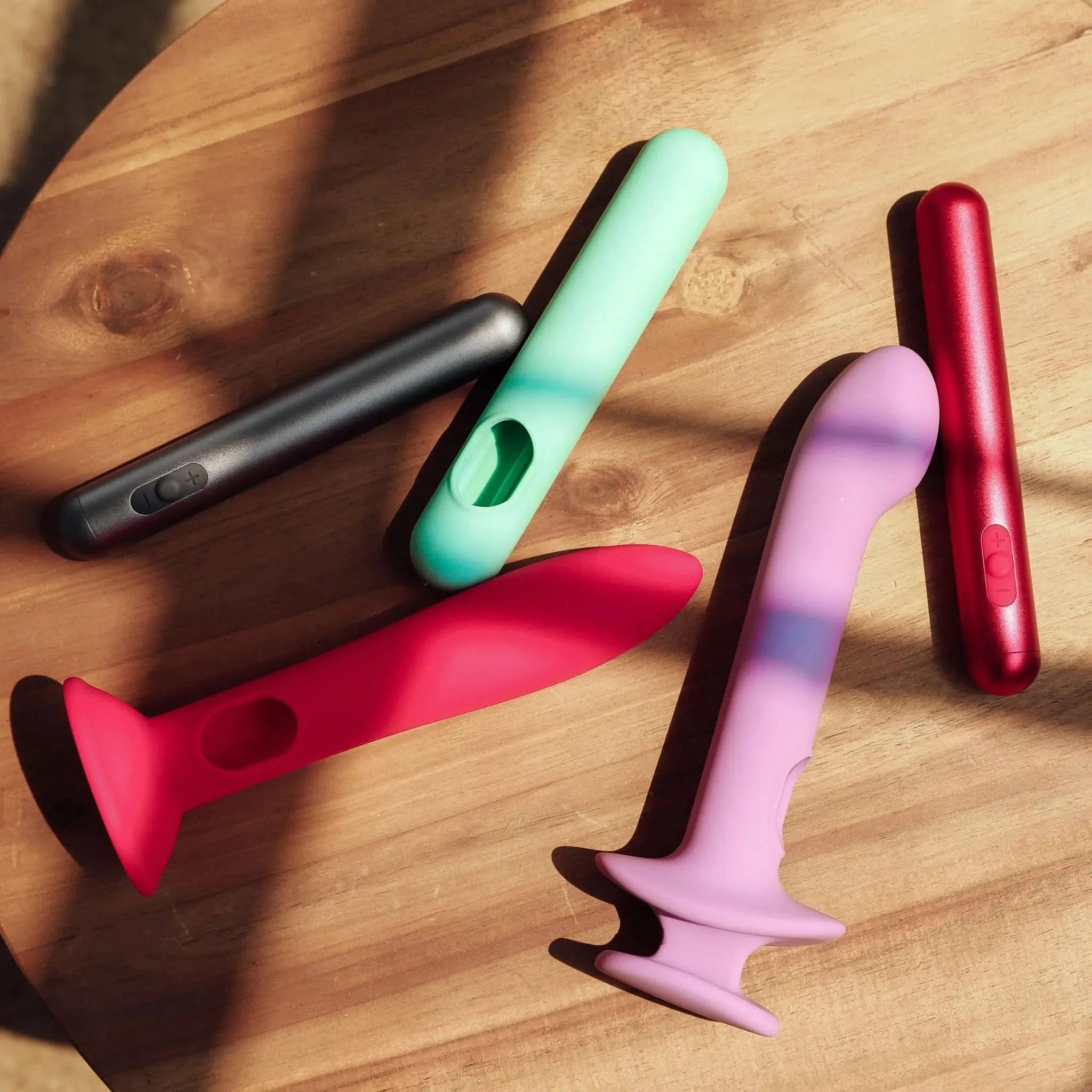
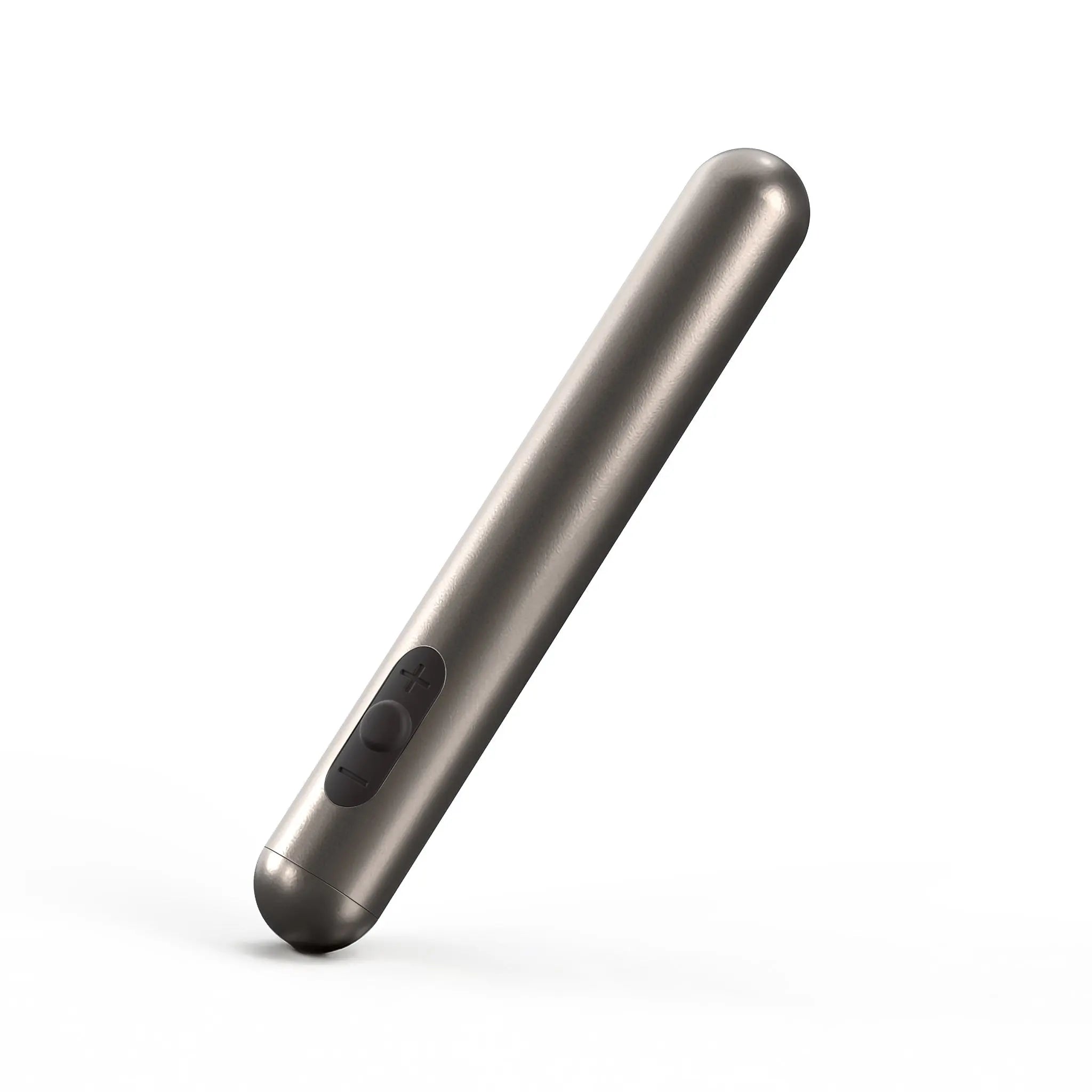
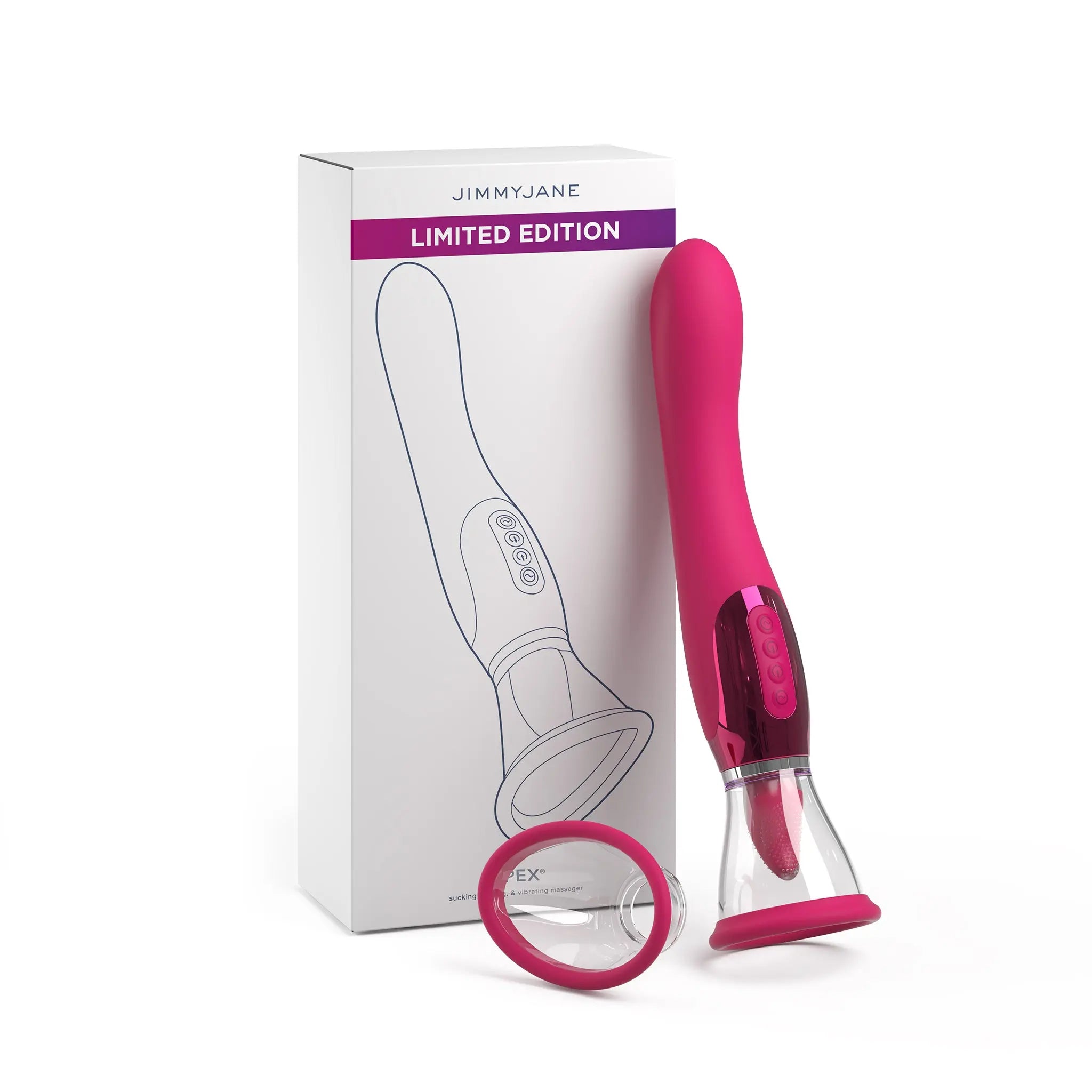
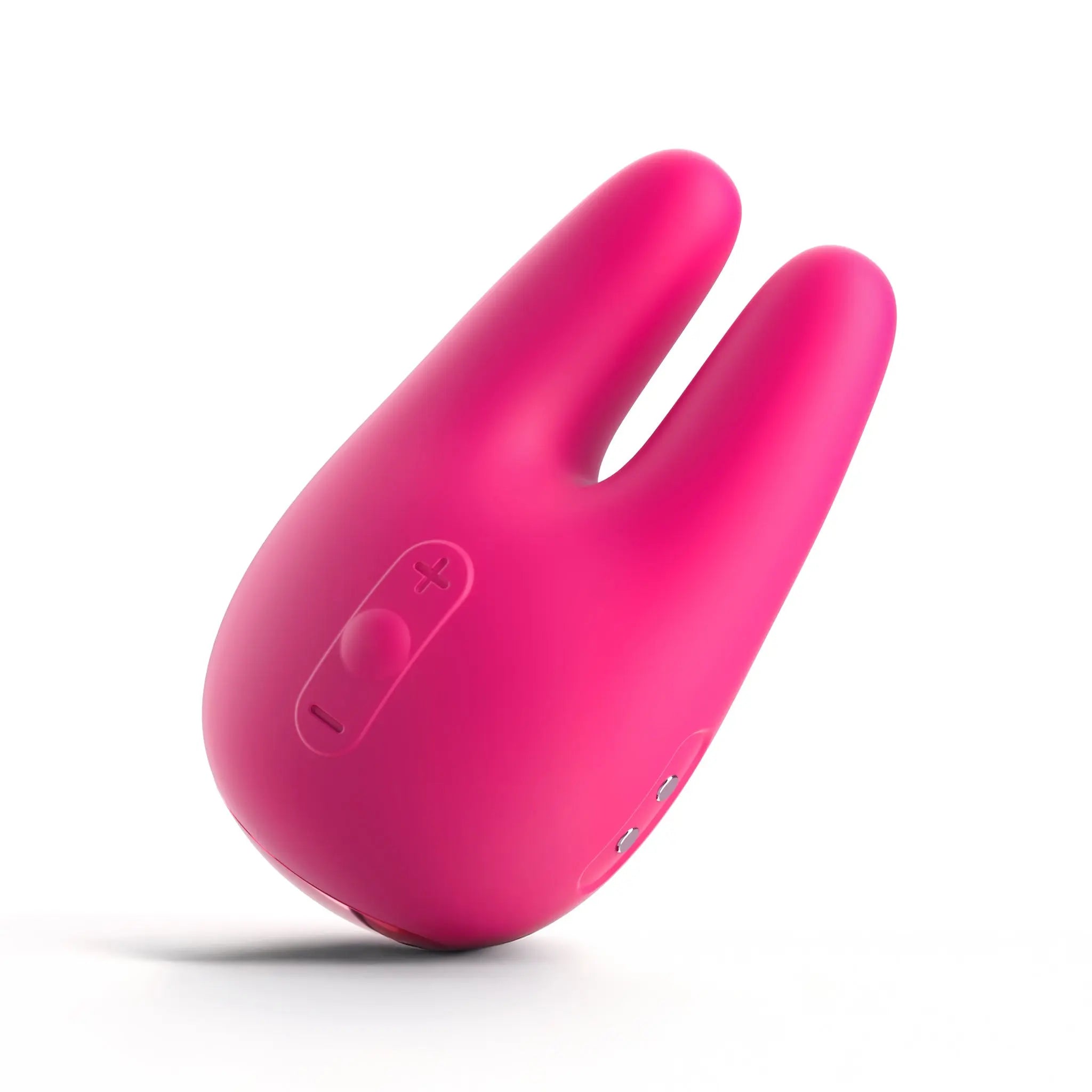
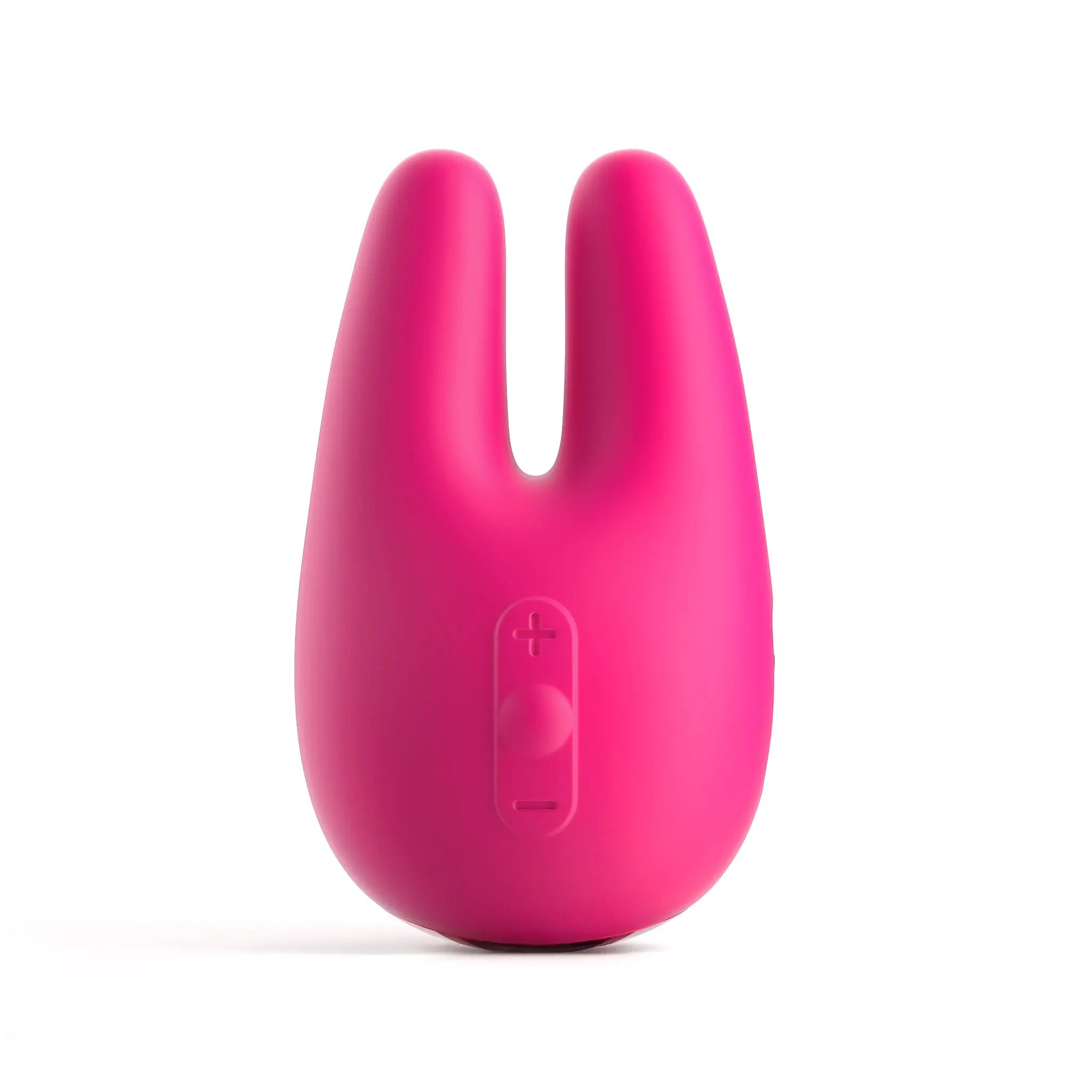
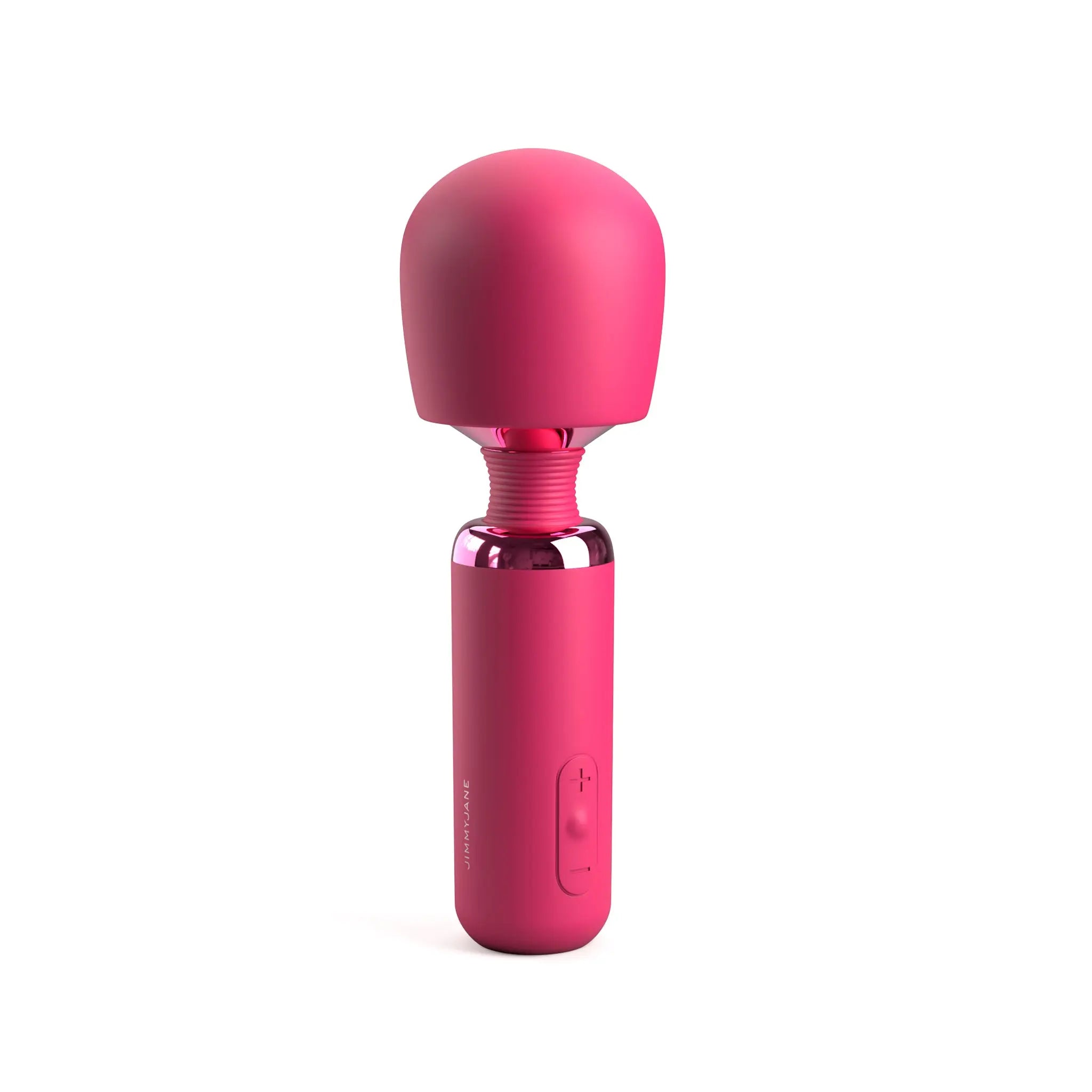
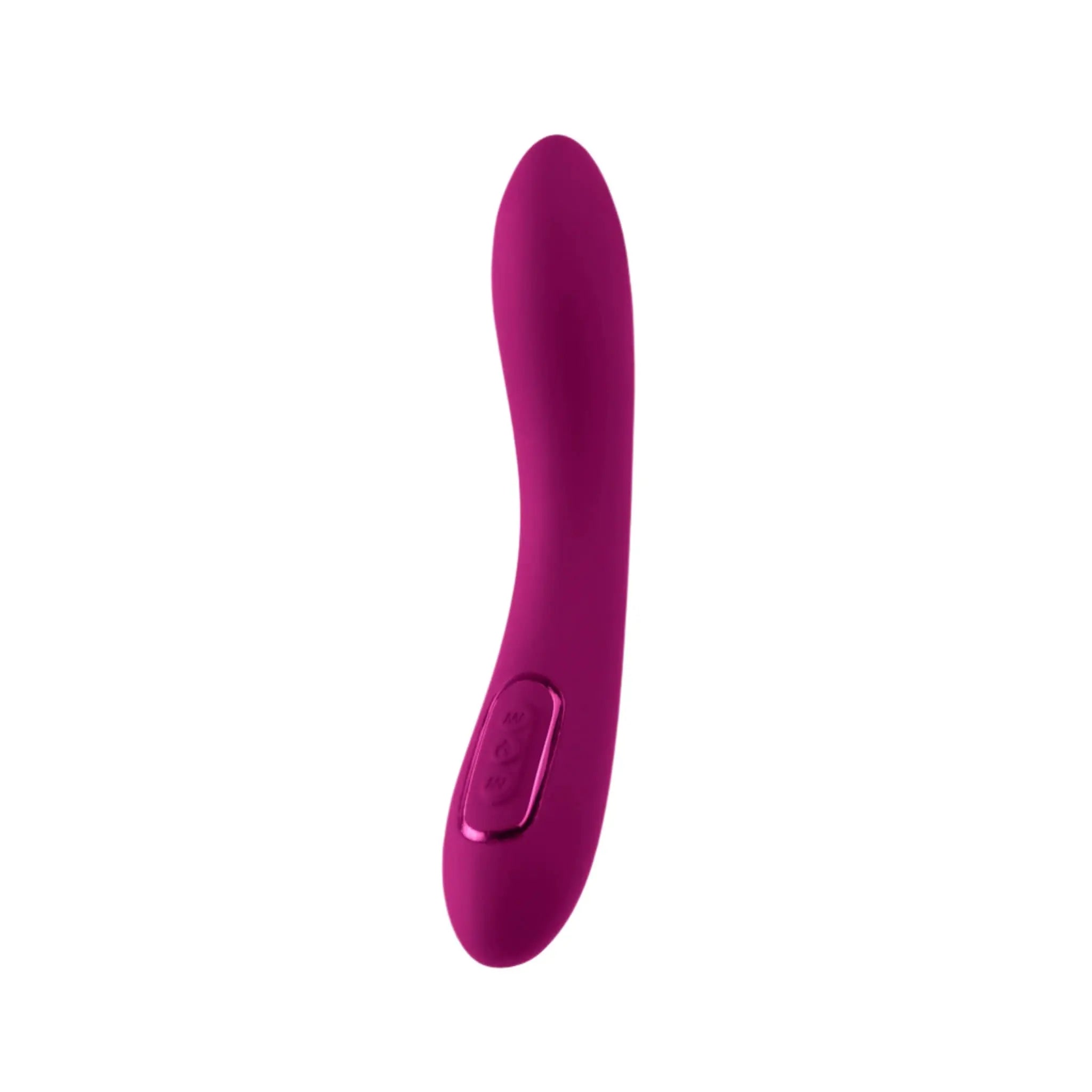
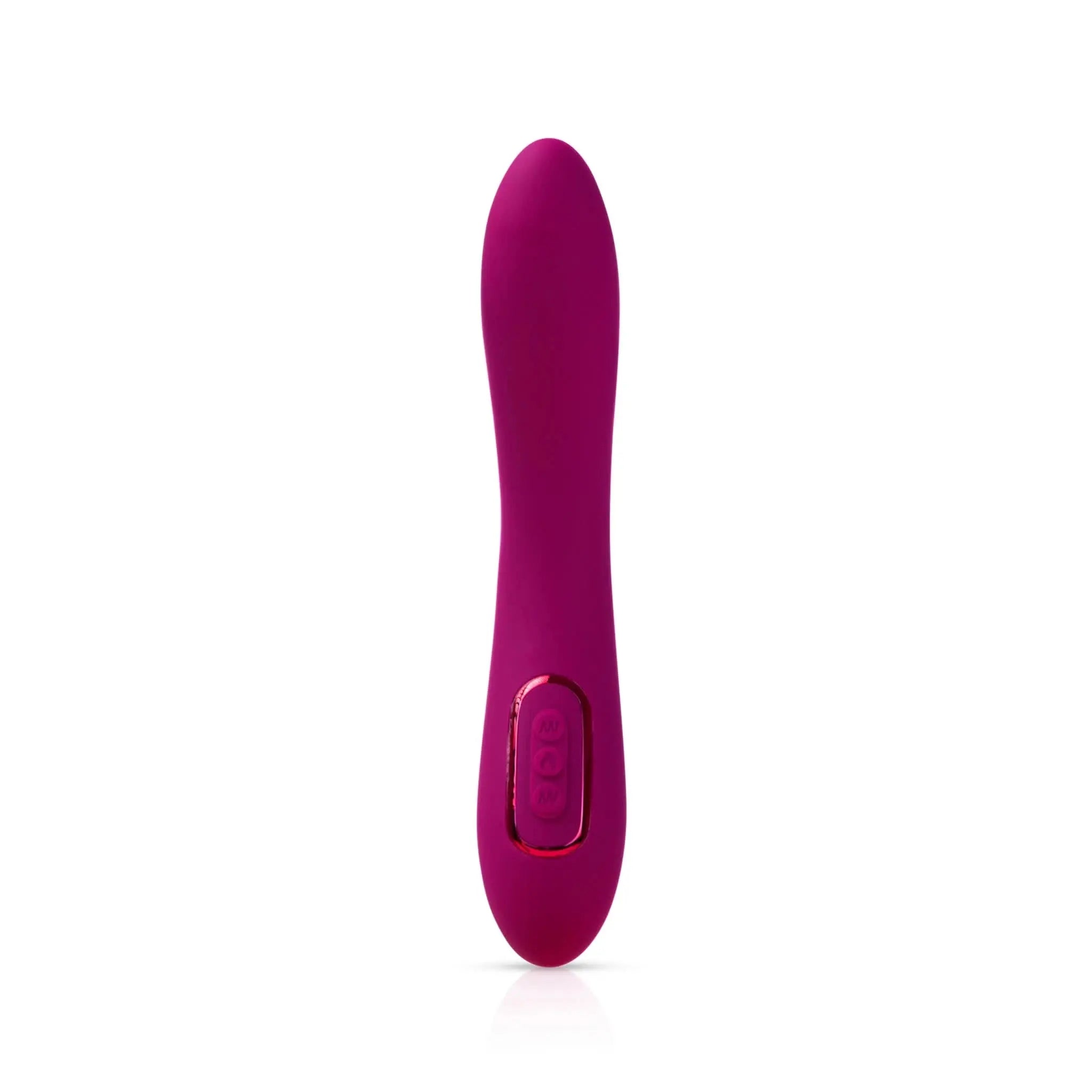
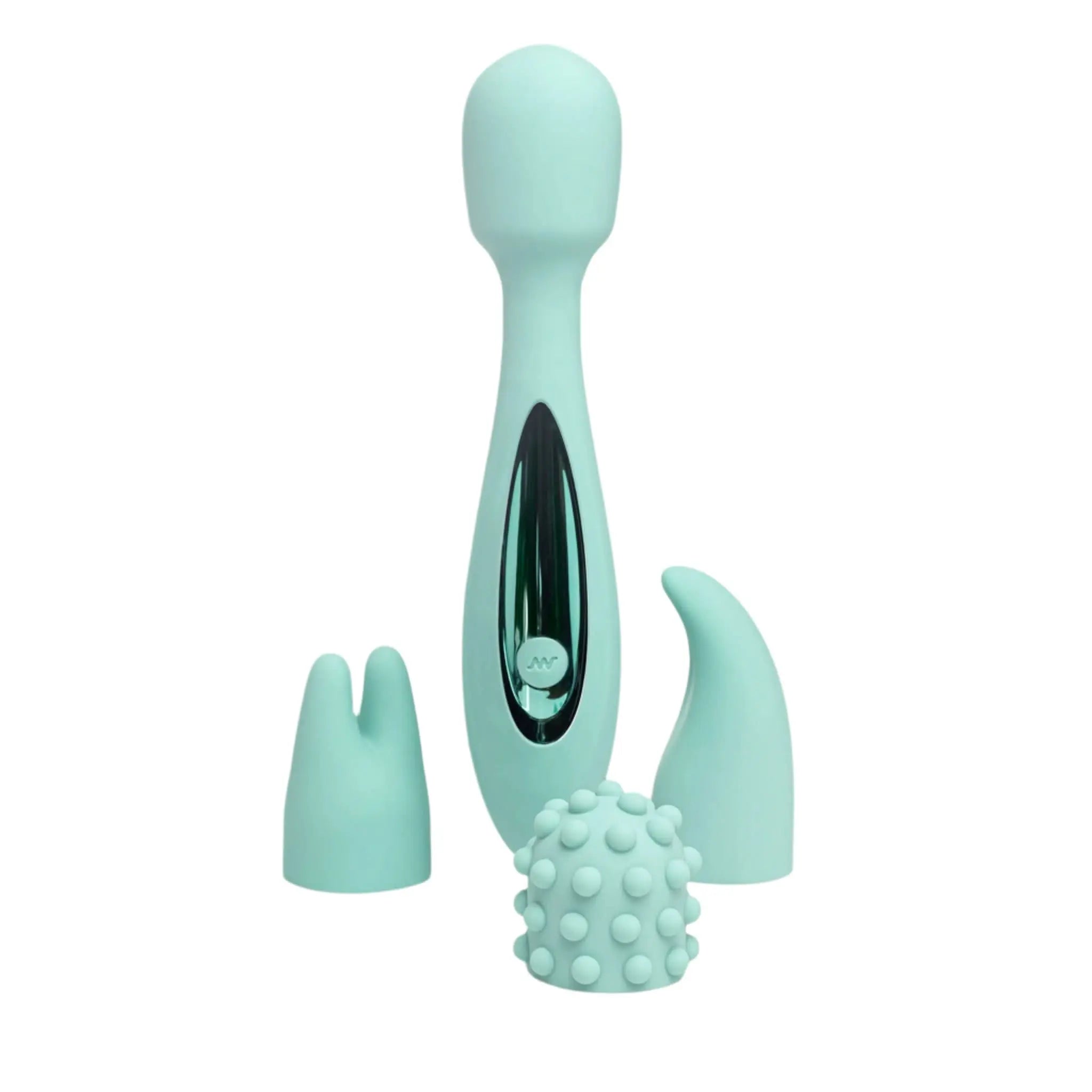
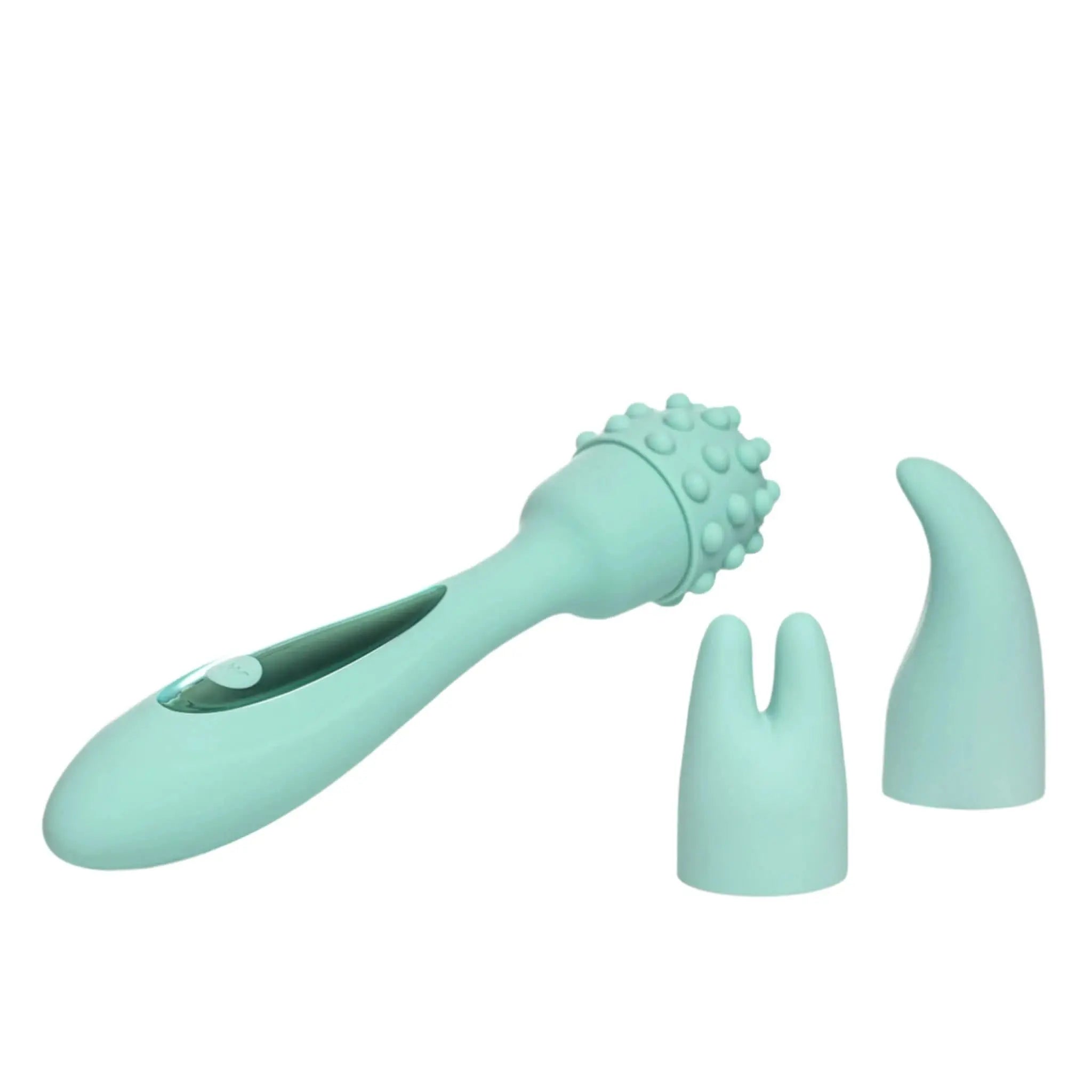
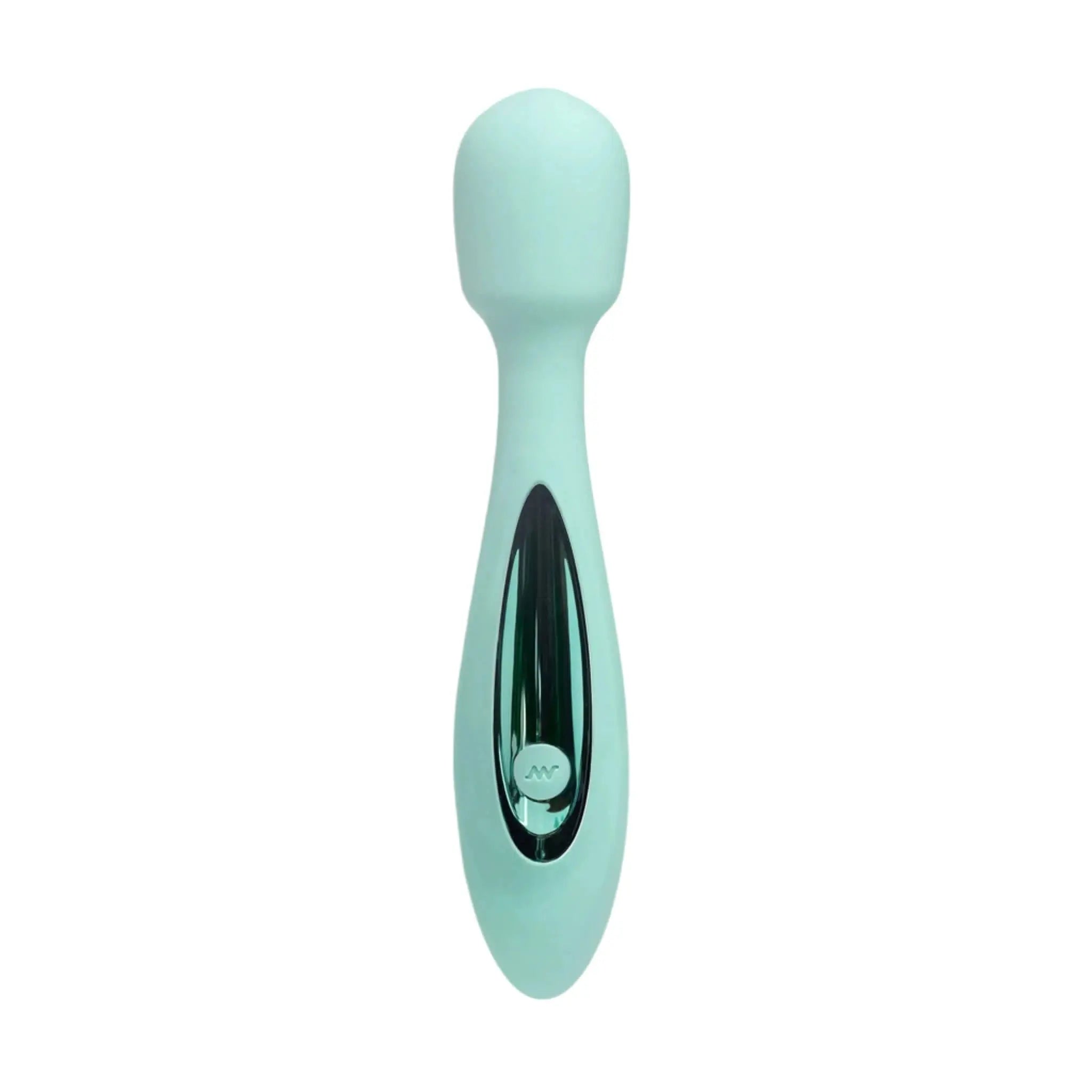
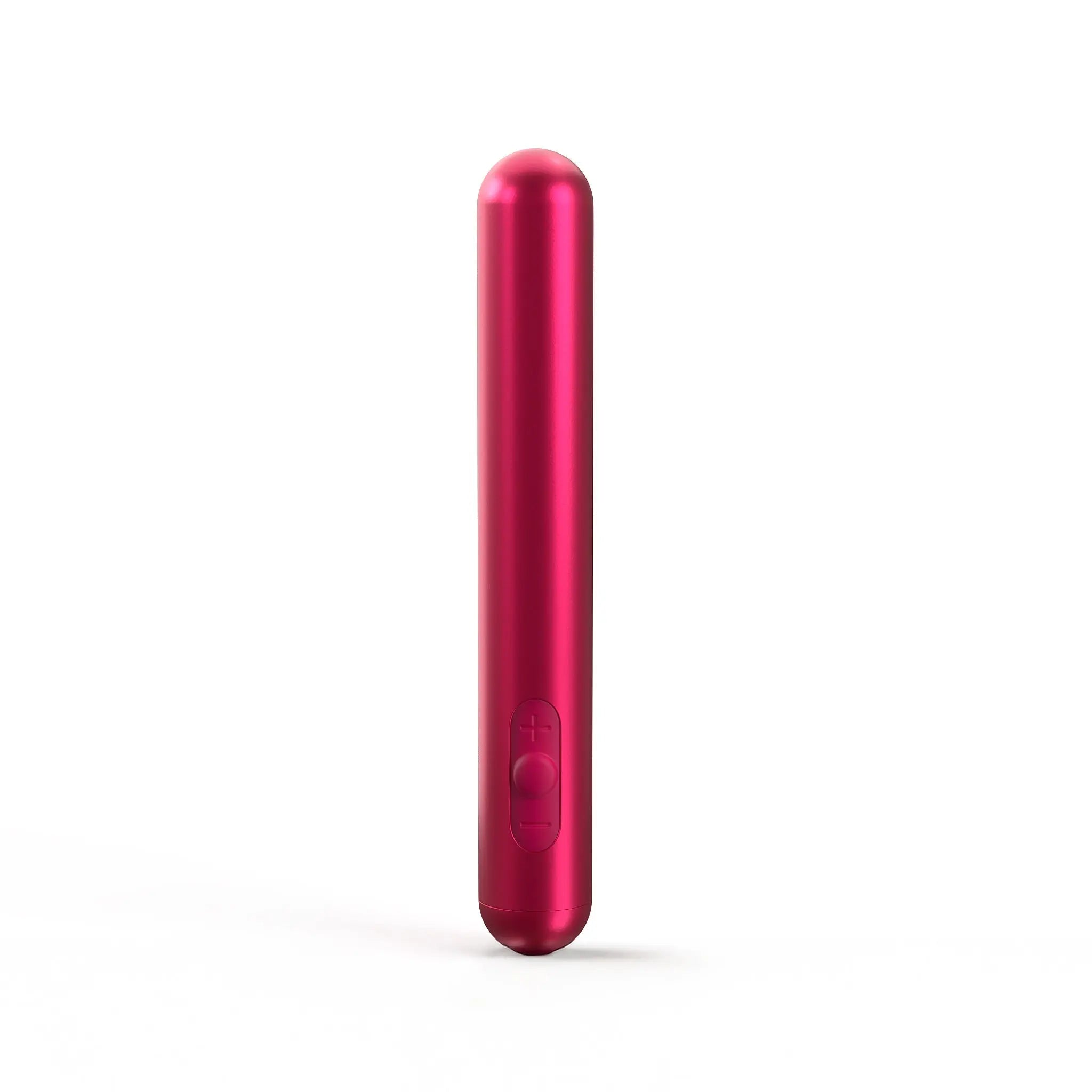
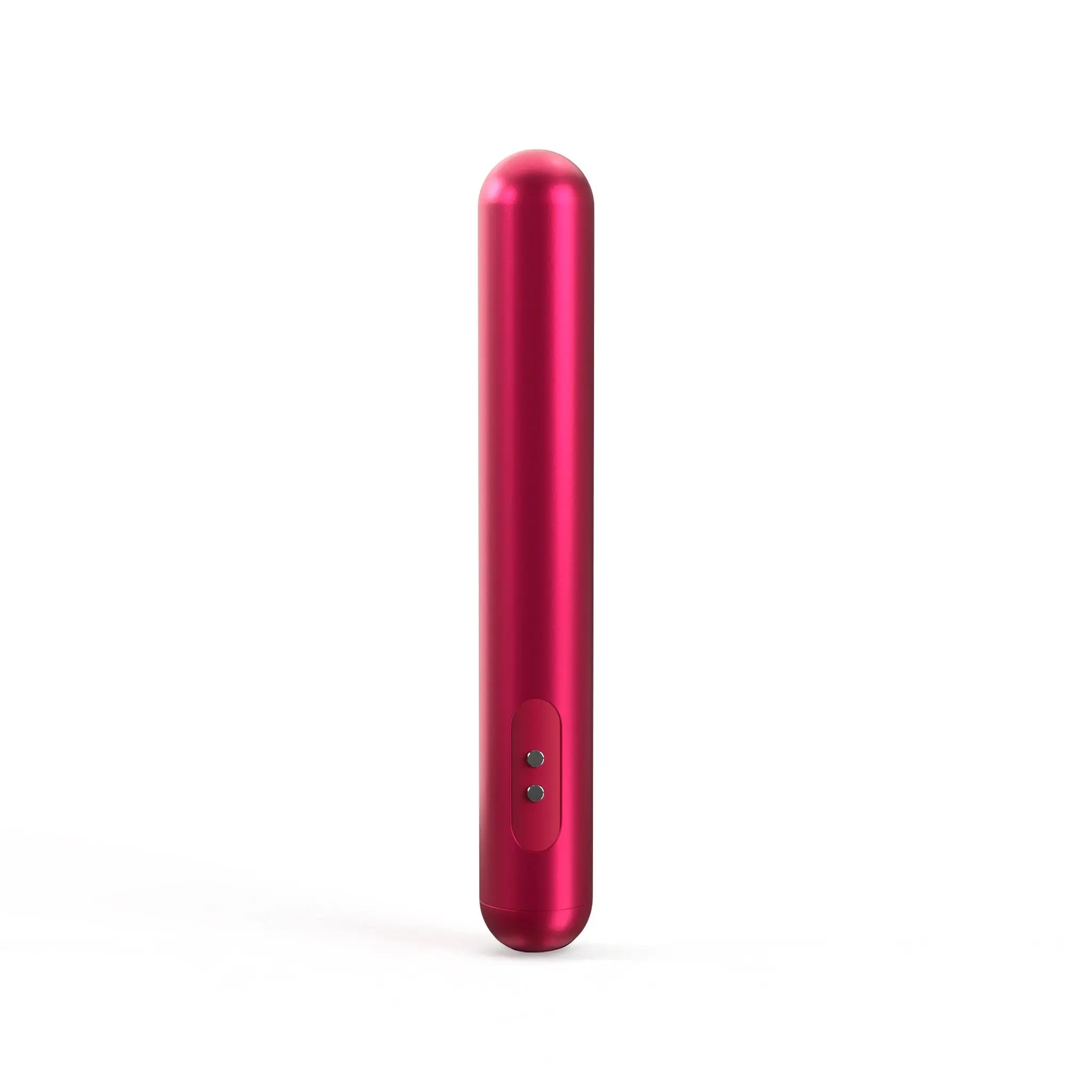
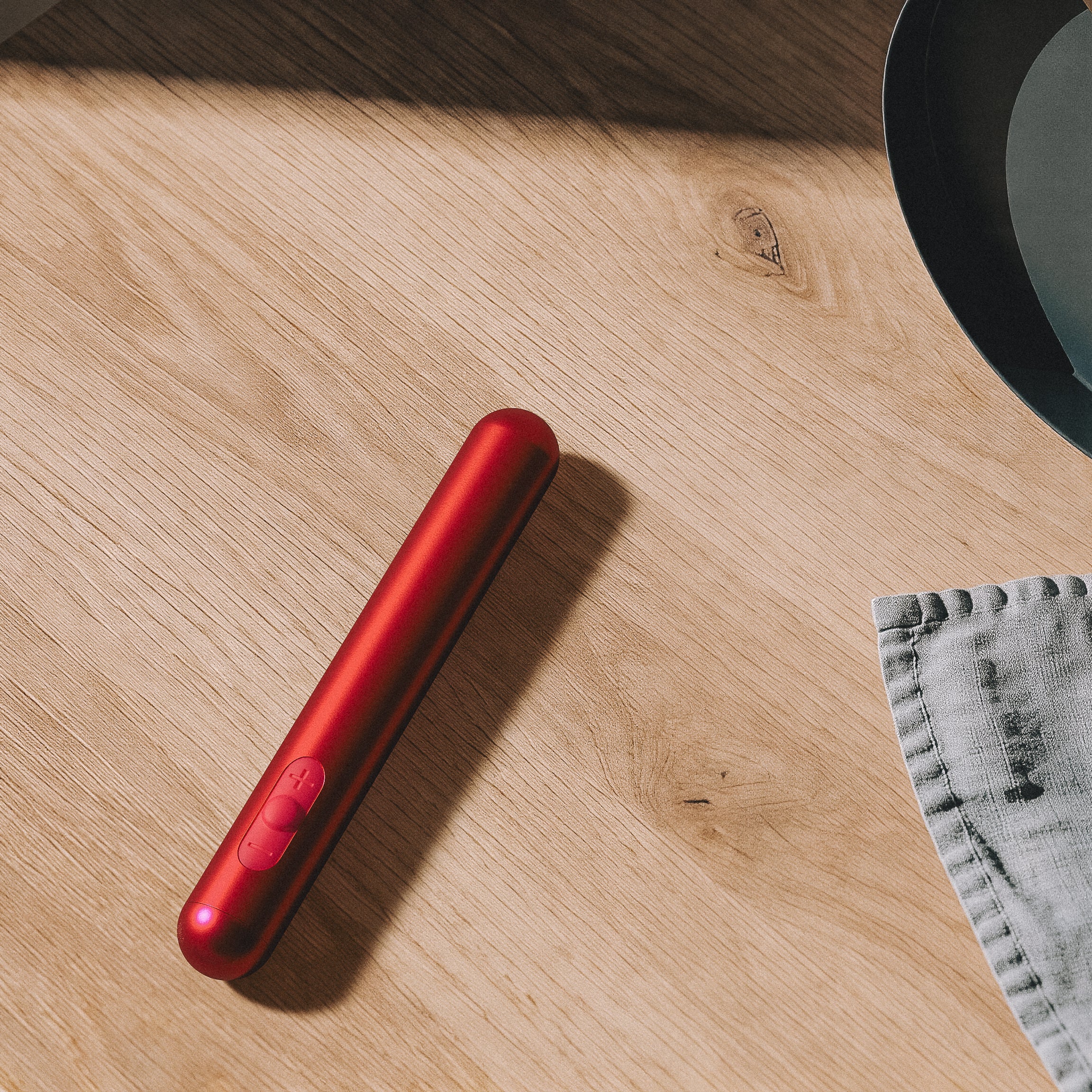
If you've experienced any of these symptoms, try a treatment from our new Hysteria Collection –

Win a $500 Gift Card

Like this page on Facebook then share on our Facebook or on your Twitter and tell us why you're excited to see Hysteria. Include @jimmyjane and @hysteriamovie for your chance to win.

Twitter
Find us on Facebook

See Details

HYSTERIA opens in select theaters May 18th.


Image courtesy of www.jitterbuzz.com

Hysteria – The Movie

Hugh Dancy plays Dr. Mortimer Granville, a young physician tasked with treating women for hysteria. After struggling to do so manually, he invents an electro-mechanical "pelvic massager" (AKA, a vibrator) and, as you might imagine, hilarity and romance ensue. Rupert Everett and Felicity Jones co-star in the film, which premiered at the Toronto International Film Festival, and hits American theaters on May 18th.

If you prefer the stage to the silver screen, consider finding a local production of In the Next Room (or The Vibrator Play) – a play by Sarah Ruhl that also presents the early history of the vibrator.

If you're the academic type, satisfy your curiosity with Rachel Maines' The Technology of Orgasm – a weighty (and somewhat controversial) tome that undoubtedly served as source material for both productions.

Hysteria – The Disease

Hysteria was once a common medical diagnosis, covering a huge range of symptoms in women. Until the 17th century, it was believed to be caused by disturbances of the uterus. In the mid 19th century, conventional wisdom changed from it being associated with a "wandering womb" to a "female neurosis" (or what we today might call "sexual frustration"). Symptoms were most commonly treated with "pelvic massage". These "massages" sometimes took up to an hour to achieve "paroxysm", a sudden outburst brought on by intense pleasure (AKA, an orgasm). 

"Physician-assisted paroxysm" was a success, but when performed manually, it led to pain in the doctors' fingers and wrists (...and you thought you could only get carpal tunnel from excessive typing). Hydrotherapy – imagine a "professional strength" version of masturbating with water from the shower head – was introduced as an alternative to manual massage, but proved to be messy and expensive.

Image courtesy of www.wikipedia.com

Hysteria – The Cure

In 1880, as electricity was first beginning to enter the home, Dr. Joseph Mortimer Granville made a breakthrough. He is credited with inventing the first electric vibrator, designed for use on female genitalia to alleviate the symptoms of hysteria. Colloquially, the vibrator was referred to as "Gransville's hammer", and was manufactured and sold to physicians. Dr. Granville's culturally significant invention alleviated the physical strain on doctors, cut treatment time down to mere minutes, and dramatically increased success rates.

In 1902, Hamilton Beach, a U.S. company, patented the first electric massagers for home use. They were marketed through Sears Roebuck and other mail-order catalogs, and rapidly became a popular domestic appliance. In the 1920s, "Blue Movies" (AKA, pornographic films) unveiled the vibrator's sexual possibilities, limiting the plausible deniability of the product's use for more mundane purposes. This, paired with the sharp decline in diagnosed cases of hysteria, led to a drop in vibrator sales, and finally, in 1952, the American Psychiatric Association discredited hysteria as a medical diagnosis.

When the sexual revolution took off in the 1960s – fueled in part by the advent of birth control and antibiotics – the vibrator re-emerged as a symbol of female sexual freedom. Today, with continuing design and technological innovation, the vibrator remains the most popular sex accessory in the world.